Diamonds have long been associated with engagements, anniversaries, and meaningful celebrations. However, Australian jewelry buyers are reconsidering what makes a diamond valuable. Appearance, quality, price, and personal preferences now influence purchasing decisions more than tradition alone.
Lab-grown diamonds have become a popular alternative for people seeking genuine diamond jewelry at a more accessible price. Before making a purchase, understanding their characteristics and certification can help buyers make informed decisions.
Why Lab-Grown Diamonds Appeal to Australian Buyers
Lab-grown diamonds offer the same chemical composition and crystal structure as naturally mined diamonds. Both consist of crystallized carbon and share similar optical and physical properties.
The main difference lies in their origin. Natural diamonds form deep underground over geological timescales, while laboratory diamonds grow under controlled conditions using specialized equipment.
Manufacturers generally use two production methods: High Pressure High Temperature (HPHT) and Chemical Vapor Deposition (CVD). Both can produce gem-quality diamonds suitable for engagement rings, earrings, necklaces, and other fine jewelry.
For Australians comparing jewelry options, man made diamonds offer an opportunity to prioritize stone size and quality without necessarily increasing their budget.
Price Differences and Long-Term Value
One reason shoppers choose to buy lab grown diamonds is their competitive pricing. Laboratory-created stones typically cost considerably less than comparable natural diamonds.
For example, someone shopping for a one-carat engagement ring may find a laboratory diamond allows room in their budget for a higher-quality setting. Actual savings depend on the retailer, diamond specifications, and current market conditions.
However, purchase price and resale value are different considerations. Lab-created diamonds generally have limited resale demand, and prices have declined as production capacity has expanded.
Buyers should therefore focus on personal enjoyment rather than treating diamond jewelry as a financial investment.
The Four Cs Still Matter
Laboratory diamonds are evaluated using the same familiar quality characteristics as natural diamonds: cut, color, clarity, and carat weight.
Cut and Sparkle
Cut quality strongly influences how effectively a diamond reflects light. A well-cut diamond can appear brighter and more lively than a larger stone with poor proportions.
Round brilliant cuts remain popular, while oval, pear, emerald, and cushion shapes provide distinctive alternatives.
Color and Clarity
Diamonds with higher color grades generally appear less tinted. Clarity grades describe internal inclusions and external blemishes that may affect appearance.
A flawless grade isn’t necessary for an attractive piece. Many VS-grade diamonds appear clean to the naked eye, making them worth considering for everyday jewelry.
Carat Weight
Carat measures weight rather than visible size. Two diamonds with identical carat weights can appear different in size depending on their shapes and proportions.
Certification and Australian Consumer Protection
Before purchasing, request an independent grading report from a recognized laboratory, such as the International Gemological Institute (IGI) or Gemological Institute of America (GIA).
Check the report’s authenticity through the grading organization’s official verification service. Confirm that the stone’s identification number and specifications match the retailer’s description.
Australian shoppers should also understand their rights under Australian Consumer Law. Retailers must accurately describe products, including whether diamonds are laboratory-grown or natural.
A change-of-mind return policy is separate from statutory consumer guarantees. Always review warranty conditions, resizing charges, and return arrangements before paying.
Choosing Jewelry That Fits Your Lifestyle
Engagement rings aren’t the only reason to buy lab grown diamonds. Diamond studs, tennis bracelets, pendants, and anniversary bands can also make practical purchases.
Metal selection matters, especially for jewelry worn frequently. Platinum offers durability, while 14K and 18K gold provide different balances of strength, gold content, and price.
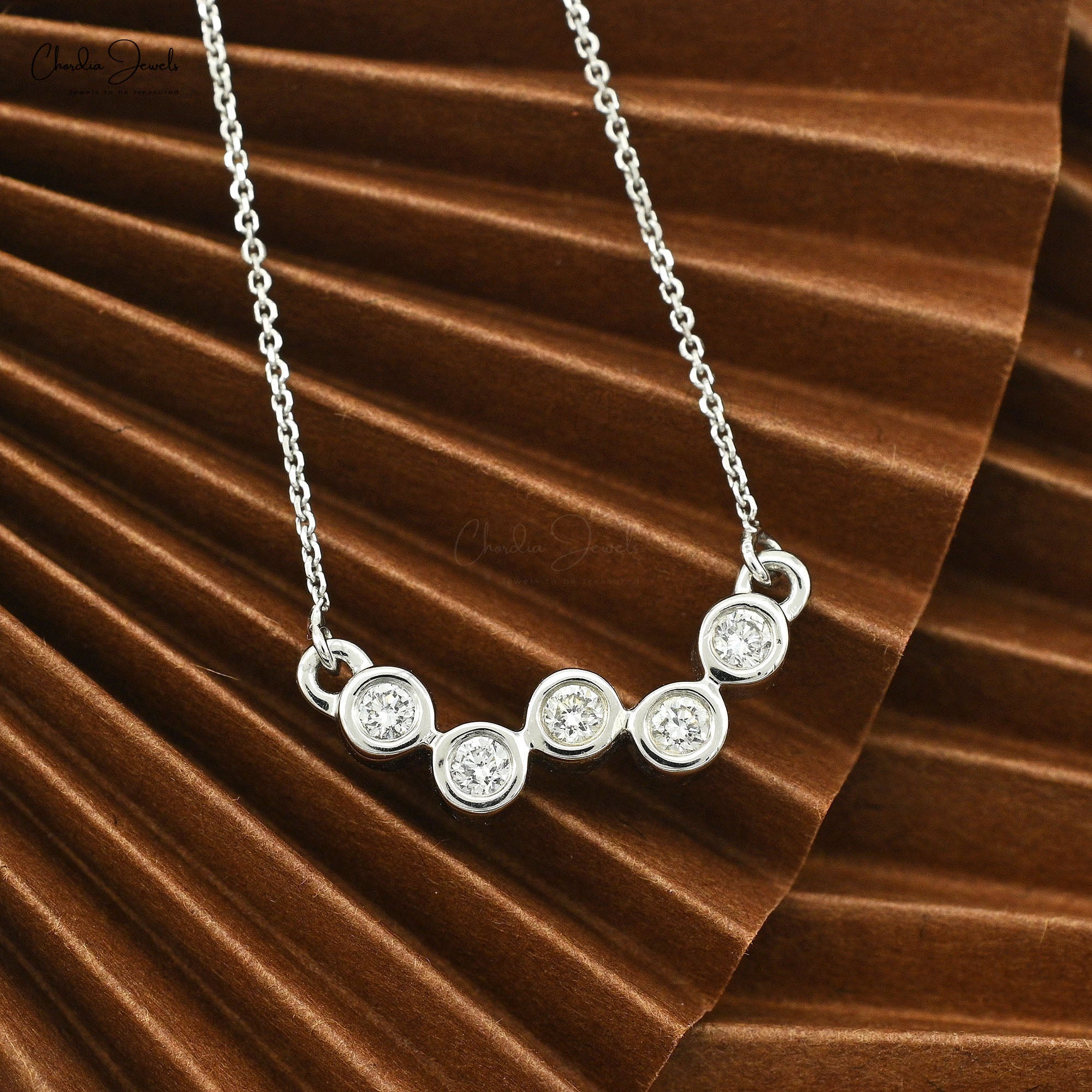
Consider the setting as well. Bezel settings protect more of a stone’s edges, while prong settings allow greater visibility of the diamond.
For online purchases, compare clear photographs, grading information, total prices in Australian dollars, and insured shipping options.
Making a Confident Purchase
Choosing diamond jewelry should involve more than comparing carat weights or promotional discounts. Examine the complete piece, including craftsmanship, certification, setting security, and after-sales support.
For Australians considering man made diamonds, reputable retailers and transparent product information are particularly valuable.
Take time to compare several options before committing. A carefully selected diamond that suits your style, budget, and everyday needs will offer more lasting satisfaction than simply choosing the largest available stone.