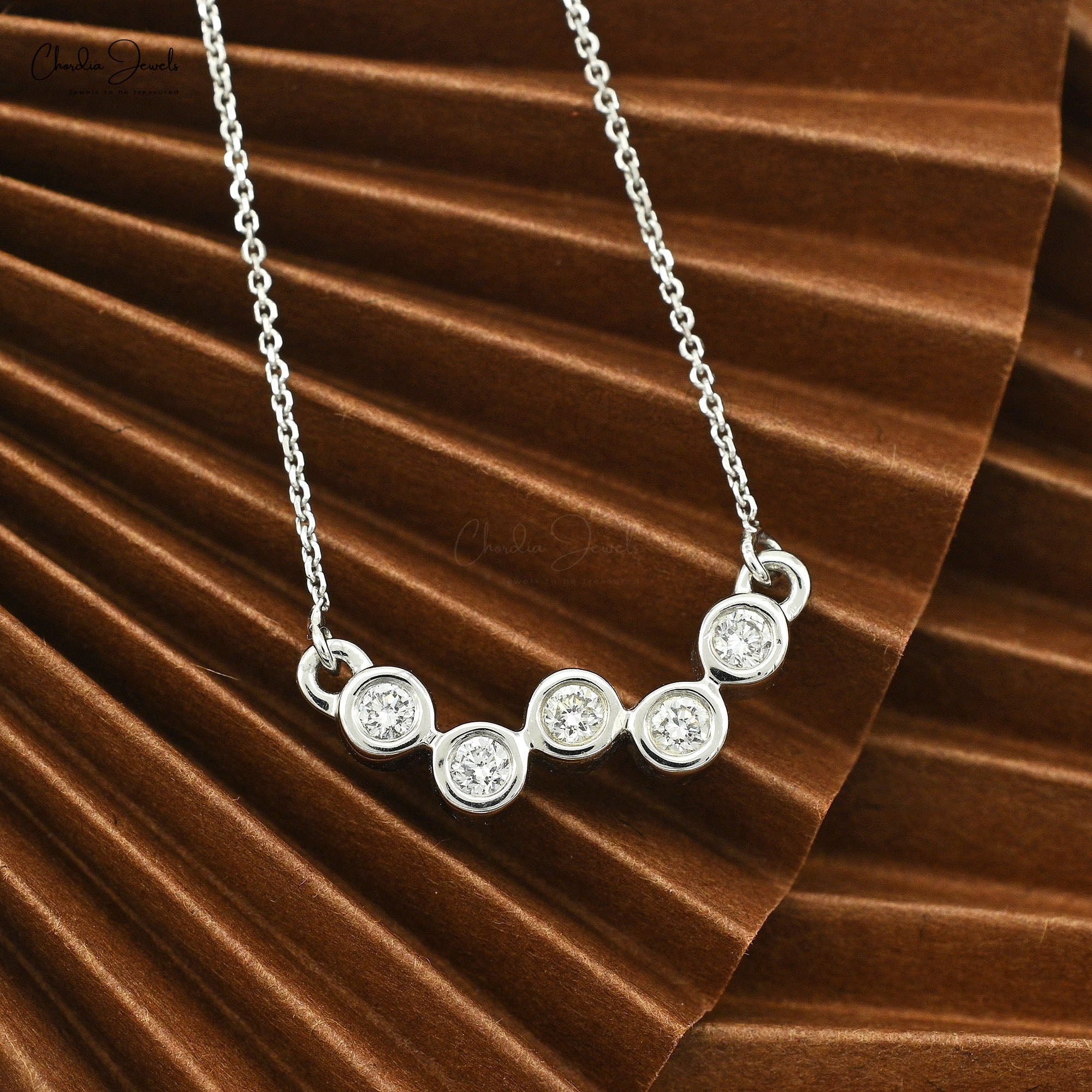
A proposal date can arrive before a custom ring is ready. That does not mean settling for a design that feels impersonal. A thoughtfully selected ready-to-wear engagement ring can offer the right combination of appearance, craftsmanship and practicality, provided the buyer understands exactly what is available and what can still be changed.
In Spain, shoppers searching for anillos de compromiso listos are generally looking for completed or readily available engagement rings rather than starting a design from scratch. The distinction matters: a ring shown online may be physically in stock, available after resizing, or assembled only after an order is placed. Asking which of these applies is the first step toward avoiding an unexpected delay.
Ready-to-wear does not always mean ready to dispatch
Jewellers use terms such as ready-made, ready-to-wear and in-stock in different ways. A completed ring may already have its diamond mounted and its final finish applied. Another design may be presented as a standard collection piece but still require the chosen stone to be set.
Before relying on an estimated delivery date, ask whether the exact ring is complete, whether the listed size is available and whether any requested adjustment will affect dispatch. A stock photograph is not necessarily an image of the individual ring that will be delivered.
This is especially useful when planning a proposal around travel, a family gathering or another fixed date. Allowing time for delivery, inspection and possible resizing is more practical than treating the advertised dispatch date as the date the ring will be on your hand.
Decide which details deserve your budget
The appeal of a completed ring is that its proportions can be judged as a finished piece. Instead of selecting a loose diamond and imagining how it will look in a setting, buyers can assess the relationship between the stone, band and overall design.
Prioritise visible diamond characteristics
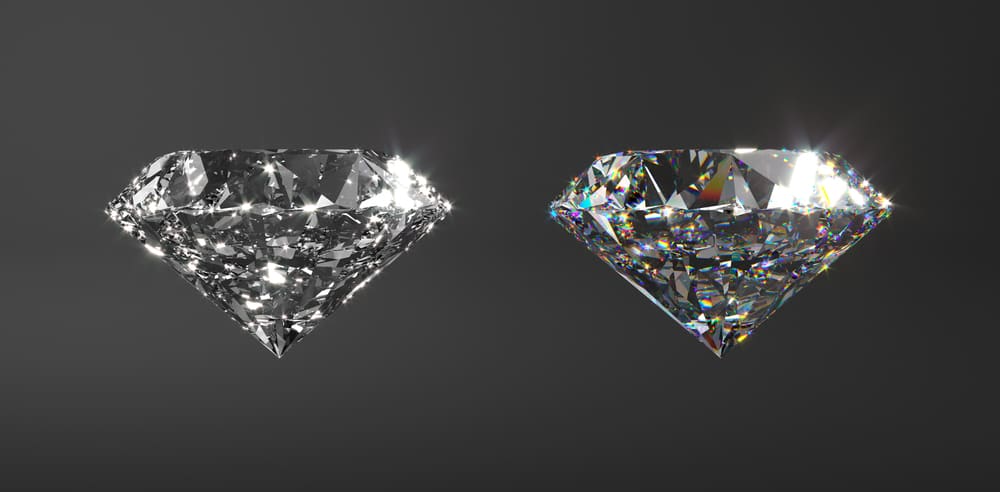
For a diamond engagement ring, cut quality has a major influence on brightness and sparkle. Carat weight describes mass, not the exact face-up size, so two diamonds of the same weight can appear different in diameter or outline. Colour and clarity should be considered alongside the setting and the buyer’s preferences rather than treated as a competition for the highest grade.
A slightly smaller diamond with appealing proportions may be a better choice than a heavier stone that appears less balanced on the finger. For elongated shapes such as oval, pear or emerald cuts, check the length-to-width ratio and examine the actual stone if photographs or video are available. An attractive ratio is a matter of personal taste, and the same number can look different depending on the stone’s outline.
Understand origin and grading separately
Natural and laboratory-grown diamonds have the same fundamental crystal structure, but their origins differ. A grading report should be checked for the diamond’s stated origin and its assessed characteristics. The term “certified” is often used casually in retail, so it is more useful to request the grading laboratory, report number and the document itself.
For buyers comparing options, Novita Diamonds’ information on lab created diamonds provides a relevant starting point for understanding laboratory-grown stones and their use in engagement jewellery. The comparison should still be based on the individual diamond’s grading details, appearance and the complete ring specification.
The setting determines how the ring lives on the hand
A ready-made ring should be evaluated as an object intended for daily wear, not only as a photograph. Setting height, band thickness and the way the stone is secured can affect comfort, maintenance and compatibility with other jewellery.
|
Setting detail |
What to examine before ordering |
|---|---|
|
Solitaire with prongs |
Check the height, prong finish and whether the diamond sits securely. |
|
Halo or pavé |
Ask how small stones are secured and what maintenance may be required. |
|
Bezel setting |
Examine how the metal surrounds the stone and whether the profile suits the wearer. |
|
Raised setting |
Consider whether it catches on clothing and how a wedding band will sit beside it. |
A low-profile ring may be more convenient for someone who works with their hands or frequently wears gloves. A high setting can provide a different visual effect, but it may be more exposed to knocks. No setting eliminates the need for sensible wear and periodic checks.
Metal colour, sizing and the limits of alteration
White gold, yellow gold, rose gold and platinum each create a different visual impression. White gold jewellery may have rhodium plating, which can require renewal as it wears. Platinum develops a patina over time, while gold alloys vary in colour and composition. The choice should reflect both the desired appearance and the wearer’s expectations for maintenance.
Sizing deserves particular attention with completed rings. A simple plain band is generally easier to resize than a full eternity design or a ring with stones extending far around the shank. Altering a ring can also affect engraving, decorative details or the spacing of small stones.
For purchases in Spain, confirm the ring size using the jeweller’s measurement system and ask for the internal diameter or circumference where possible. If the proposal is a surprise, a ring currently worn on the correct finger can provide a useful reference, although its width and fit may differ from the intended engagement ring. Avoid assuming that all rings labelled with the same size will feel identical.
A finished design can still carry personal meaning
Personalisation does not have to mean commissioning a ring from the beginning. A completed design may allow a choice of metal, a small engraving or an adjustment to the presentation. Availability varies, so any alteration should be confirmed before purchase rather than assumed.
The strongest personal detail is often the design itself. A person who wears understated jewellery may prefer a slim solitaire, while someone drawn to geometric shapes may appreciate an emerald-cut stone or a structured setting. Looking at the jewellery they already wear can reveal more than following a seasonal trend.
If an engraving is planned, check whether it can be completed before delivery and whether it changes the return conditions. A short inscription can be meaningful, but it should not be allowed to compromise a ring’s fit or the proposal schedule.
Check the complete purchase, not only the diamond
Online product pages can make it easy to compare carat weights while overlooking the details that determine the final order. Before paying, the buyer should have a clear understanding of the complete ring and the service attached to it.
Confirm the following information:
-
The exact metal and its fineness, such as 18-carat gold or platinum of the stated purity.
-
The centre stone’s origin, shape, carat weight and grading report, where applicable.
-
Whether the ring is physically complete and the size currently available.
-
The resizing policy, including any restrictions caused by the design.
-
Delivery arrangements, insurance and the process for reporting damage in transit.
-
Return conditions, particularly for resized, engraved or otherwise personalised jewellery.
For an online purchase, retain the product description and order confirmation. If the ring is shipped internationally, clarify whether taxes, duties or other charges are included in the amount paid. These practical details can be especially significant when the ring is needed by a particular date.
Plan the wedding band before committing to the profile
An engagement ring may look balanced alone but leave a gap when paired with a straight wedding band. A low-set diamond, a wide basket or an unusual shank shape can prevent two rings from sitting flush. This is not necessarily a design flaw; some couples prefer a visible space, while others want the rings to form a continuous pair.
Ask to see the chosen design beside a plain wedding band, ideally in the same metal and a similar width to the one intended for the wedding. A contoured or shaped band may be needed for certain settings. If the wearer plans to stack several rings, the combined height and thickness should also be considered.
Ready-to-wear engagement rings offer the advantage of making many design decisions visible before purchase. Checking the finished profile, the available size and its future wedding-band pairing helps ensure that the ring works beyond the proposal itself.