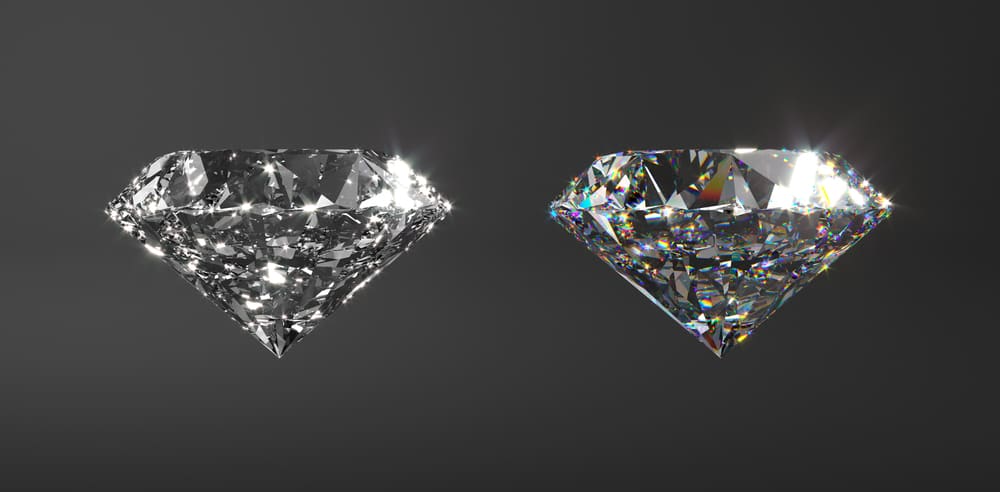
The diamond industry has changed dramatically over the past decade. Lab created diamonds now offer a genuine alternative to mined stones. These gems share the same physical and chemical properties as natural diamonds. They are not imitations or fakes. They are real diamonds grown in controlled environments using advanced technology.
Many couples in Malaysia are now considering lab grown diamonds for their engagement rings and wedding bands. The reasons range from budget considerations to environmental concerns. This shift represents a significant change in how people view bridal diamond jewellery.
What Exactly Are Lab Created Diamonds?
Lab created diamonds are grown using two primary methods. The first is High Pressure High Temperature (HPHT). This process mimics the natural conditions deep within the earth. The second is Chemical Vapor Deposition (CVD). This method uses carbon-rich gases to build diamond layers on a seed crystal.
Both processes produce diamonds that are identical to mined ones in every measurable way. They have the same hardness, sparkle, and durability. Only specialized equipment can tell them apart. Even trained gemologists sometimes need advanced testing to distinguish between the two.
The growth process takes several weeks to months. This is remarkably faster than the billions of years required for natural diamond formation. However the end result is the same crystalline structure of pure carbon.
The Science Behind the Sparkle
Diamonds form when carbon atoms arrange themselves in a specific crystal structure. This structure gives diamonds their legendary hardness and light-bending properties. Lab created diamonds have this exact same atomic arrangement.
The optical properties remain identical as well. Light enters a lab diamond and refracts in the same way it would in a mined stone. The brilliance, fire, and scintillation are indistinguishable to the naked eye.
When comparing lab grown and natural diamonds side by side, most people cannot tell which is which. This includes jewelry professionals. The differences only become apparent under magnification or with specialized testing equipment.
Environmental and Ethical Considerations
The environmental impact of diamond mining is substantial. Mining operations displace large amounts of earth. They can disrupt local ecosystems and require significant water and energy resources. Lab grown diamonds offer a more sustainable alternative.
The carbon footprint of lab created diamonds is generally lower than mined stones. Many producers now use renewable energy sources in their operations. This further reduces the environmental impact.
Ethical concerns also drive interest in lab grown diamonds. The term “blood diamonds” refers to gems mined in conflict zones. These stones fund armed conflicts and human rights abuses. Lab created diamonds eliminate this concern entirely. Their origin is transparent and verifiable.
Cost and Value Comparison
The price difference between lab grown and mined diamonds continues to grow. Lab created diamonds typically cost 30 to 40 percent less than equivalent natural stones. This price gap has widened as production technology improves.
The savings can be substantial. A one-carat lab created diamond might cost significantly less than its mined counterpart. This allows couples to choose larger stones or higher quality specifications within their budget.
Resale value presents a different consideration. Mined diamonds have historically held value better than lab grown stones. However the gap has narrowed recently. The secondhand market for lab diamonds is growing as more consumers embrace them.
The long-term trend suggests lab diamond prices will continue to decrease. This benefits buyers who plan to keep their jewellery rather than resell it. Most engagement rings are never sold, making resale value less relevant for many couples.
Quality and Certification Standards
Reputable lab created diamonds come with grading reports from independent laboratories. These reports evaluate the same factors as natural diamonds. The 4Cs (cut, color, clarity, and carat) apply equally to both types.
The Gemological Institute of America (GIA) and International Gemological Institute (IGI) now grade lab grown diamonds. Their reports follow similar standards to those used for natural stones. This provides transparency and assurance for buyers.
Some lab diamonds show characteristics specific to their growth process. CVD diamonds may display faint strain patterns. HPHT diamonds might show slight metallic inclusions from the growth environment. These features help gemologists identify lab grown stones.
Lab Created Diamonds for Bridal Diamond Jewellery
Choosing the Perfect Engagement Ring
Engagement rings represent the most common use of bridal diamond jewellery. Lab created diamonds offer the same beauty at more accessible price points. This allows couples to prioritize other ring elements like custom designs or premium settings.
The choice between lab grown and natural diamonds depends on personal values. Some couples prefer the romance of a natural stone formed over millennia. Others appreciate the technological achievement of lab grown gems. Both choices are valid.
Malaysian couples now have access to many jewelry retailers offering lab grown options. The market has expanded significantly in recent years. This increased competition benefits consumers through better pricing and selection.
Matching Wedding Bands and Sets
Matching wedding bands can create a cohesive bridal diamond jewellery set. Lab grown diamonds make it easier to coordinate multiple pieces. Couples can ensure consistent quality across all rings without exceeding their budget.
The durability of lab diamonds matches natural stones. They stand up equally well to daily wear. This makes them suitable for wedding bands which receive constant use over many years.
Some couples choose to combine lab grown and natural diamonds in their bridal jewellery. A natural center stone paired with lab grown side stones offers one compromise. This approach reduces costs while maintaining a traditional focal point.
Caring for Your Lab Diamond Jewellery
Lab created diamonds require the same care as natural stones. They respond well to standard cleaning methods. Warm water, mild soap, and a soft brush work effectively. Professional cleaning services also handle lab diamonds without issue.
These diamonds share the same hardness rating of 10 on the Mohs scale. They resist scratching and wear from everyday activities. However they can still chip or break if struck with sufficient force. Proper storage and handling help prevent damage.
Insurance coverage typically applies equally to lab grown and natural diamonds. Most policies treat them as genuine diamonds for replacement purposes. This provides peace of mind for buyers investing in significant pieces.
The Future of Lab Created Diamonds
The market for lab grown diamonds continues to expand rapidly. Production capacity increases each year. This growth drives prices lower and makes diamonds more accessible to more people.
The technology continues to improve as well. Scientists are developing methods to grow larger and more perfect diamonds. Colored lab diamonds are also becoming more available and affordable.
Consumer acceptance has grown substantially. Younger buyers particularly show openness to lab grown diamonds. They value the combination of beauty, value, and ethical considerations that lab diamonds offer.
Lab created diamonds represent a genuine innovation in the jewellery industry. They provide a choice where none existed before. This choice empowers consumers to select based on their priorities rather than tradition alone.
Whether for an engagement ring, wedding band, or anniversary gift, lab created diamonds offer compelling benefits. They deliver the same beauty and durability as natural stones. They come with clear origins and lower environmental impact. They also leave more room in the budget for other meaningful elements of a wedding celebration.