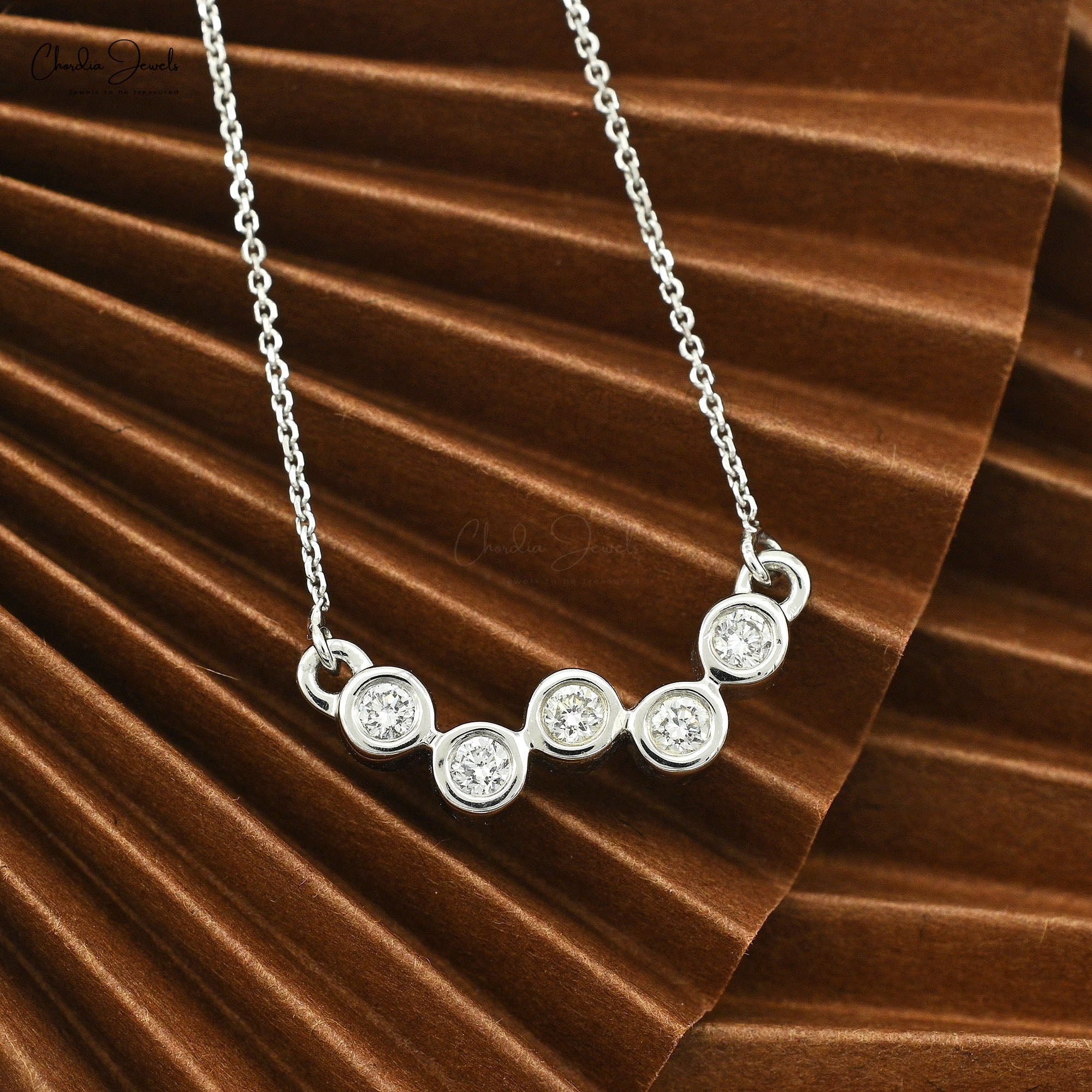
A diamond born in a lab is still a true diamond – just made above ground rather than pulled from it. Identical in makeup, behavior, and sparkle to those dug up, they’re not copies but equivalents. When crafting a one-of-a-kind engagement ring, knowing about these stones opens doors – affording better say in both price and standards. Two primary methods exist for growing them, each shaping the gem through precise science behind closed walls. One way starts deep underground – heat and pressure shape the stone just like nature does. Another builds it slowly, using a gas that lays down pure carbon in thin sheets. Each process ends with a gem you cannot tell apart from one pulled from rock. These lab versions match their earth-grown cousins atom for atom.
Lab Created Diamonds Why They Are Chosen
What makes a person choose a custom engagement rings instead of a natural one? Several real life factors play a part
- Pricing leans lower with lab grown stones – typically 30 to 40 percent under natural ones that match in quality.
- A steady choice. Pick your stone by exact marks in hue, purity, plus how it’s shaped.
- Fair practices start with how materials are gathered. When there is no digging into the earth, ecosystems face less harm. Trouble linked to war stones disappears when sources stay above ground.
- Starting with price, lower costs open doors to bigger stones or detailed craftsmanship in personalized wedding bands. A smaller number on the tag means room to explore size, shape, or finer details without stretching your budget.
Picture this: choosing a one-carat stone with top clarity for an engagement band could save you around a grand when going lab-made instead of mined. The price gap shows up fast – same sparkle, lighter cost.
Selecting a Lab Grown Diamond
A good place to start? Think about cut, clarity, color, and carat – just like you might when looking at mined diamonds. People tend to group these under the term lab created diamonds
- One thing about carats – it measures how big a diamond is. Bigger stones come with higher costs, yet the jump isn’t nearly as steep when set beside natural diamonds. Price climbs, just not at the same wild pace.
- Light bounces differently depending on a diamond’s shape. Its brightness grows when the angles catch rays just right. Sparkle shows up best if the surface plays along properly.
- D runs clear as air, then slowly warms through the scale to Z. Pick your shade – icy white or kissed by warmth – based on what catches your eye first.
- Faults inside or outside a diamond show up in its clarity grade. Rarer stones usually have less cloudiness, yet man made versions tend to stay cleaner through growth. A gem’s purity reflects how well it formed, whether underground or in a chamber.
A smart move? Requesting a certificate from an accredited lab every time. That paper shows what the stone really is, so there’s no guessing about its value.
Lab Grown Diamonds in Design
Starting with a lab diamond opens up room to play around with ring designs. Instead of sticking to classic cuts, pick something bold like a pear or heart shape – size won’t break the bank. Because these stones cost less, stacking several together feels doable, even lining the band with tiny sparkle. Picture a center gem cut into soft cushions, circled by a crowd of small rounds that catch every bit of light. What you get looks richer than a single carat mined stone, yet runs about the same price.
Maintenance and Longevity
Starting with care, lab grown diamonds shine best when treated like mined ones. Though tough, their glow fades without frequent cleaning. Try a gentle toothbrush, some plain soap, plus lukewarm water. Yearly checkups by an expert guard against loose prongs. Over time, small habits protect how it looks.
Cost Comparison
What stands out about lab grown diamonds? Clear pricing shows up front. The cost breaks down simply. Take this case:
- Most times a natural round diamond weighing one carat runs close to four thousand five hundred dollars. Meanwhile, its lab-made version often sits near two thousand eight hundred bucks.
- A single carat mined diamond often costs more than its two-carat lab-grown counterpart when quality matches. Yet price isn’t always about size. Sometimes origin sways value heavier than weight. Lab diamonds grow in weeks, not millennia. That timeline shifts how we see worth. Even identical clarity and color can carry different tags. One comes from deep earth, the other from controlled chambers. Still, eyes might not tell them apart. What you pay depends on what story matters – geology or technology.
Focusing on that gap means more room to spend elsewhere – gold choices, maybe, or intricate details in the ring’s shape. Sometimes it’s the metal weight that shifts things; other times, a rare finish catches attention instead.
Environmental and Ethical Impact
Starting with nature’s way takes power, lots of water, space too. But inside a lab? None of that shows up. Picking one grown on shelves means less pressure on forests and rivers. Plus workers stay safe, far from digging dangers. When values shape how you build your ring, this fact fits just right.
FAQ
Are lab created diamonds real?
Exactly the same stuff, right down to how they look and behave. One shares every trait – chemical makeup, sparkle, hardness – with the other. Mined stones don’t hold a monopoly on those qualities. Lab versions match them point for point, no gaps. What sets them apart? Only origin. Everything else runs parallel.
Do lab created diamonds last as long as natural diamonds?
Fine for everyday use, these stones hold up well under regular activity. Their toughness matches that of more traditional options.
Finding a gap between lab made stones and those dug from the earth?
Sure, sharp eyes might catch subtle clues – though even experts lean on tools to spot the divide. Light behaves slightly off in each type, sometimes revealing origin through.
Microscopic details only machines highlight clearly.
A microscope might help, but spotting the distinction takes serious skill. Lab-grown stones carry subtle clues only experts notice over time.