Understanding Lab Diamonds
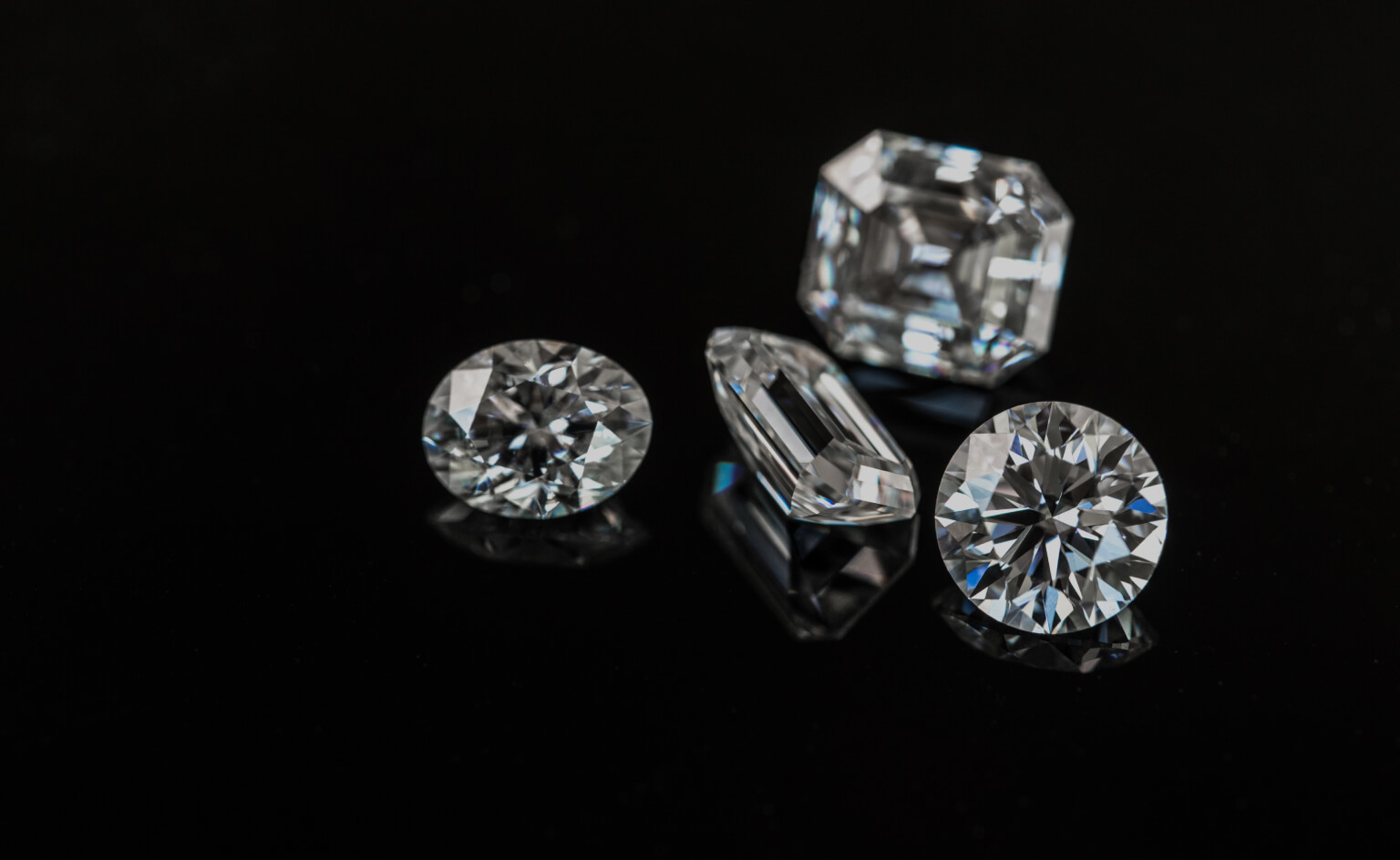
A lab diamond isn’t pulled from the ground – it’s built in controlled spaces using science. Identical to mined ones, molecule by molecule, down to how they shine and resist scratches. Choosing one for jewelry gives you sparkle minus the land damage linked to digging deep holes. Pressure and heat like Earth’s mantle are copied on purpose inside machines that grow these stones. A pair of key techniques exist. High heat plus extreme pressure recreate what happens far beneath the surface. In contrast, a process known as chemical vapor deposition slowly adds thin sheets from a gas full of carbon. Each approach results in crystals that pass tests for real diamonds. These grown gems receive ratings using the exact standards applied to natural ones. A close look at the shape, sparkle, hue, and size gives you clear insight. That way, what something is worth shows plainly.
Laboratory Grown Diamonds Offer Ethical Sourcing Lower Costs And Reduced Environmental Impact
Choosing a lab diamond comes with several practical advantages.
- A smaller price tag often comes with lab grown wedding bands when compared to natural ones that look just as big or shine just as bright. Because of this, picking a bigger sparkler or one with fewer flaws might actually fit what you planned to spend.
- A choice made quietly, without fanfare – lab diamonds skip the harm tied to digging deep. No workers pushed too hard. No wars paid for by stones pulled from the ground. Wearing one means carrying peace instead of hidden cost.
- Growing diamonds underground takes far fewer resources. Less ground gets torn up, streams stay cleaner. Choosing one means forests and rivers face less pressure. A single decision quietly shifts weight off fragile ecosystems.
- Starts clean. Flaws? Not so common here – lab stones often come clearer. Shapes twist beyond the usual, colors too, more options than most earth-grown ones give. Size stays matched.
A single carat lab-created stone might run four thousand dollars, whereas a similar natural one sits near six thousand five hundred. Money saved here often shifts toward ring craftsmanship or costs tied to marriage plans.
Selecting a Lab Diamond for Your Wedding Band
When selecting a lab-grown wedding band, consider these factors:
- A ring’s look starts with its setting – pick one that changes how the stone shows on your finger. Whether it is a single center stone, surrounded by smaller ones, or lined with tiny diamonds along the band makes a difference. The choice shifts the sparkle and presence without altering size.
- Picking a metal? Lab diamonds pair nicely with gold or platinum, even less common options too. Your skin’s undertone matters, so does daily routine. Think about how you move through the day, then decide.
- Start with the cut when judging a diamond. Because it determines how much sparkle you actually see. Clarity matters next – fewer flaws mean more transparency. Instead of jumping to size, think about color; less tint usually means whiter appearance. Carat weight gives bulk, yet brilliance comes mainly from precision in shaping. Light dances differently based on craftsmanship, not just dimensions.
- A stamp of approval matters when picking a diamond. Go for stones checked by trusted labs so you know what you are getting. IGI or GIA labels mean someone reliable looked it over.
A ring made of platinum holds up well over time, its round lab-grown stone keeping luster long term while standing up to daily wear. Scratches barely show thanks to the tough metal.
Maintaining Lab Diamonds
A stone made in a lab stays stunning with almost no effort. Still, doing a few basic things keeps its shine bright over time.
- Every now then, give it a wipe down. A gentle mix of soap and water works well when paired with a toothbrush you don’t use anymore. Dirt slips away without effort if you take your time.
- Stored apart, rings stay safe inside a little case or fabric wrap. One by one, they avoid rubbing when tucked away properly.
- A yearly visit to someone who works with jewelry helps catch tiny problems early. When prongs shift over time, a trained eye can spot it before any stone slips free.
Not built like fragile stones, lab diamonds handle everyday use while keeping their shine intact. Though made in controlled settings, they resist scratches just fine over time. Even when bumped or brushed, their sparkle stays sharp and clear. Because of how they form, these gems mirror natural ones in toughness. Without special care, they still look fresh after years passing by.
Cost Considerations
Picking a lab diamond wedding ring means knowing what changes the cost. Sometimes it’s the cut, other times the size shifts things. Color plays a role too, though clarity might surprise you. Lab methods differ, which can tilt the number on the tag. Settings add their own weight to the total. Even where you buy matters more than expected. Each choice links to how much shows up at checkout.
- A single carat can lift the price, yet even big ones stay below natural diamonds. Size plays a role, though lab-made options keep costs lower.
- A stone’s size isn’t everything. How it’s shaped matters just as much. Sharp edges catch light differently. A well-shaped piece shines brighter than a bigger one cut poorly. Shape changes how eyes see sparkle. Even tiny gems gain presence when crafted right.
- A ring’s look shapes its price. Plain loops sit lighter on the wallet compared to detailed styles holding several gems.
- Some shops charge more than others. A handmade band costs extra, while off-the-shelf styles might be cheaper.
A single 0.75-carat round lab-created diamond set in white gold might run about $1,800. With more detailed craftsmanship, that figure often climbs toward $2,500.
Lab Diamonds Reflect Personal Values
Starting with what matters most, lab diamonds draw those focused on ethical choices and eco-friendly practices. When quality stays high but origins are transparent, decisions feel clearer. Instead of settling, buyers shape their vision through precise options like cut, hue, or dimensions. Jewelers often open doors to tailor every detail exactly. A ring then becomes more than an object – it carries intention, shaped by personal meaning.
FAQ
Are lab diamonds real diamonds?
True enough, lab diamonds match natural ones right down to their atoms. Their strength sits just as high on the scale. Testing them for realness follows identical steps.
Do lab diamonds lose value?
Laboratory-grown stones often come at a lower price compared to earth-mined ones, yet deliver identical clarity and brilliance. While they might lose more value over time than natural gems, their pricing reflects what they truly offer.
Can lab diamonds be customized?
Right there in front of you – options open up. Pick how it’s shaped, how big, what shade it holds. A ring takes form, close to exactly what you had in mind.